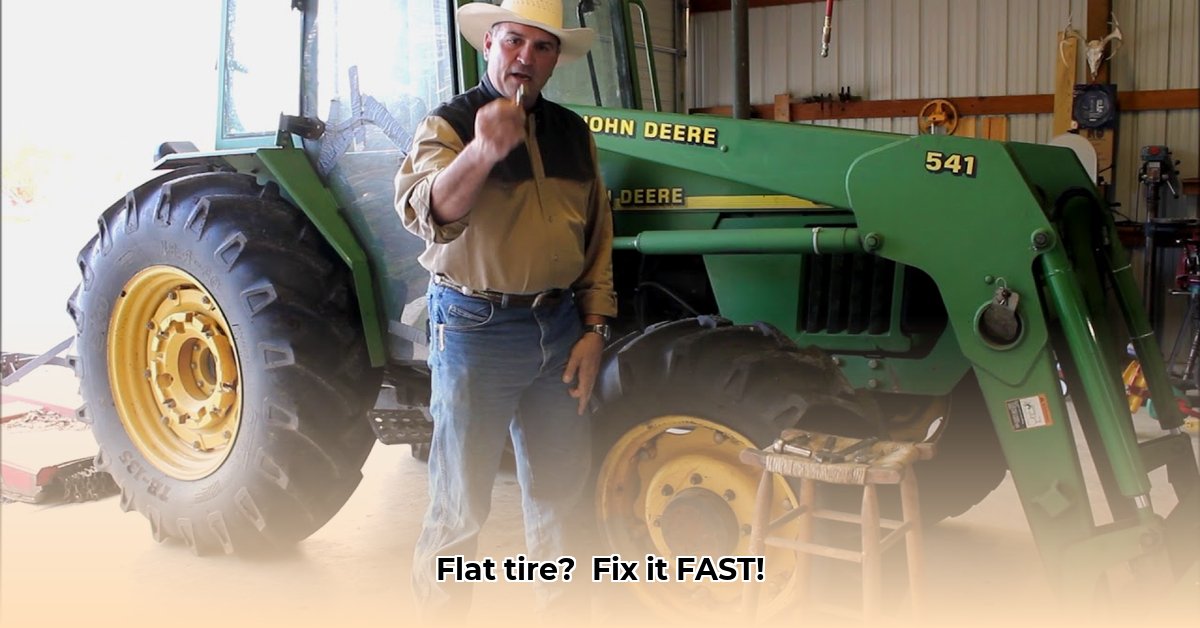
Replacing Your Tractor Tire Valve Stem: A Step-by-Step Guide
A slow leak in your tractor tire can lead to increased fuel consumption and downtime. Often, the culprit is a faulty valve stem—a relatively simple and inexpensive part to replace. This guide provides clear, step-by-step instructions for replacing a tractor tire valve stem, whether your tires are tubed or tubeless. We'll cover essential tools, safety precautions, and troubleshooting tips to get your tractor back to peak performance. For alternative tire solutions, consider exploring water-filled tires.
Tubed vs. Tubeless Tires: Understanding the Difference
Before starting, determine if your tractor tires are tubed or tubeless. This significantly impacts the repair process. Tubeless tires don't have an inner tube; the tire itself forms an airtight seal with the rim. Tubed tires, on the other hand, utilize an inner tube inside the tire. Check your tire's sidewall; if you see the inner tube, you have a tubed tire. This distinction dictates the steps you'll follow. Do you know which type of tire you have? This simple identification is crucial for success.
Tools and Materials: Getting Ready for the Repair
Gather the necessary tools and parts beforehand to streamline the process. Having everything organized saves precious time and reduces frustration.
- New Valve Stem: Select a valve stem compatible with your tire size. Check your tire's sidewall or owner's manual for specifications. (Ensure the stem is the correct size and type for your tire.)
- Valve Stem Removal Tool: This specialized tool facilitates removal of the old valve stem without damaging the rim. (This tool makes removing the old stem far easier.)
- Adjustable Wrench: A backup tool if the valve stem is stubbornly stuck. (Use this if the removal tool won't budge the stem.)
- Tire Pressure Gauge: Essential for accurately inflating the tire after replacing the valve stem. (Accurate inflation is crucial for optimal tire performance and safety.)
- Air Compressor or Pump: Needed for inflation of the tire. (An air compressor inflates the tire quickly and efficiently.)
- Tire Lubricant (Optional): Facilitates easier installation of the new valve stem. (Lubricant helps the stem slide in smoothly.)
- Safety Glasses: Always wear appropriate protective eyewear. (Eye protection prevents injury from potential debris or air pressure.)
- Gloves: Wear protective gloves to prevent cuts and abrasions. (Gloves protect your hands from potential damage.)
Replacing the Valve Stem: A Step-by-Step Guide for Tubeless Tires
This section details the process for replacing a valve stem on a tubeless tire.
- Completely Deflate the Tire: Release all air pressure from the tire using the valve core remover tool. This significantly reduces the risk of injury. (A completely deflated tire is much safer to work with.)
- Remove the Old Valve Stem: Use your valve stem removal tool to carefully remove the old valve stem. If resistance is encountered, cautiously employ the adjustable wrench. Avoid causing any damage to the valve hole in the rim. (Remove the stem slowly and carefully to avoid damaging the rim.)
- Clean the Valve Hole: Thoroughly clean the valve hole, removing any dirt, debris, or old sealant residue. (A clean seating surface ensures a proper seal.)
- Lubricate the New Valve Stem (Optional): Apply a small amount of tire lubricant to the new valve stem's threads, ensuring smooth insertion. (Lubrication significantly lessens installation friction.)
- Install the New Valve Stem: Gently push the new valve stem into the hole until fully seated. It should fit snugly. (Firmly seat the stem to create a strong and leak-proof bond.)
- Tighten the Nut: Secure the valve stem with its nut, using an appropriate wrench. Avoid over-tightening. (Proper tightening prevents leaks and premature stem failure.)
- Inflate the Tire: Inflate the tire to the manufacturer's recommended pressure, as indicated on the tire sidewall. Check carefully the pressure gauge to ensure accurate measurements and use the proper gauge. (Accurate inflation is crucial for even tire wear and optimal performance.)
- Inspect for Leaks: Carefully inspect the valve stem and surrounding area for any air leaks. Use soapy water to detect subtle leaks. (Check for leaks to ensure successful repair.)
Replacing the Valve Stem: A Step-by-Step Guide for Tubed Tires
Working with tubed tires requires additional steps. Remember safety is paramount.
- Deflate and Remove the Tire: Completely deflate the tire. Then, carefully remove the tire from the rim using tire irons or spoons. This is typically a two-person job for larger tires. (This step may require tire levers and often involves more than one person.)
- Remove the Inner Tube: Gently remove the inner tube from the tire; take care not to puncture it. (Handle the inner tube carefully to avoid accidental damage.)
- Replace the Valve Stem on the Inner Tube: Follow steps 2-6 from the tubeless instructions above, ensuring the new stem is securely installed. (Make sure the stem is firmly seated and secured.)
- Reinstall the Inner Tube: Carefully place the inner tube back into the tire, ensuring it’s smooth and free from twists and kinks. (Avoid kinks that could cause a puncture.)
- Remount the Tire: Reinstall the tire onto the rim using tire irons. This process requires experience and caution. (This step is more complex and often involves tire irons and levers.)
- Inflate and Check for Leaks: Inflate the tire to the correct pressure and carefully inspect for leaks. (Double-checking for leaks is crucial after reassembly.)
Troubleshooting Common Issues
- Persistent Leaks: If the tire continues to leak, examine the valve stem threads for damage. Using a tire sealant around the base of the stem might resolve minor leaks. Consider replacing the valve stem if the leak persists. (Persistent leaks usually indicate a defective stem or improperly seated parts.)
- Stubbornly Stuck Valve Stem: If you cannot remove the old valve stem, try a higher-quality removal tool or seek professional assistance to avoid damaging the rim or tire. (Forcing a stuck stem risks damage; professional help might be necessary.)
Maintaining Your Tractor Tires: Preventative Measures
Regular tire maintenance is key to preventing major issues. Periodically inspect your tractor tires, paying close attention to the valve stems, to catch problems early. Preventative maintenance saves time and money in the long run. Regularly checking the valve stem and maintaining proper tire pressure significantly reduces the likelihood of flat tires. This preventative maintenance extends the life of your tires and reduces downtime.
Remember: Always consult your tractor's owner's manual for specific instructions and recommendations for tire maintenance and repair. If you're unsure about any part of this process, seek professional assistance from a qualified mechanic.